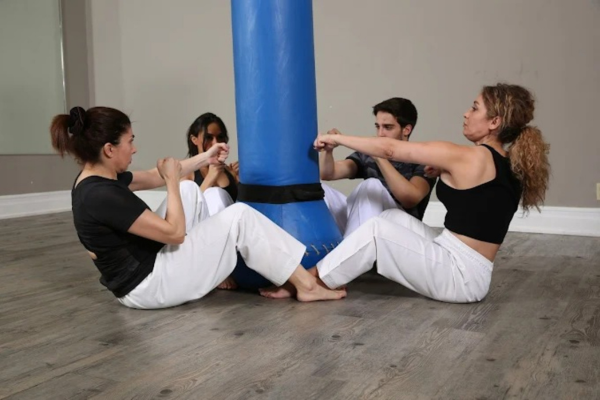
Why Self-Defense Seminars Require Insurance Beyond Your Standard Policy
Self-defense seminars are powerful growth opportunities for martial arts schools. They attract new students, strengthen community relationships, and position your academy as a trusted authority in personal safety. Whether you’re hosting women’s self-defense workshops, corporate safety training, or youth-focused events, these seminars can significantly expand your reach.
However, with that opportunity comes increased risk. Many school owners assume their standard martial arts insurance policy automatically covers seminars. In reality, self-defense seminar insurance often requires broader, event-specific protection. Without the right coverage in place, one unexpected injury or liability claim could lead to significant financial loss and legal complications.
How Self-Defense Seminars Differ from Regular Martial Arts Classes
At first glance, a seminar may look like a typical class. But from an insurance perspective, the differences are substantial — and they directly impact your liability exposure.
Higher Participant Turnover and Limited Screening
Unlike regular students who train consistently and have waivers on file, seminar attendees are often first-time participants. They may have limited physical training experience, unfamiliarity with technique control, and varying fitness levels. This increases the risk of accidental injury, especially during partner drills or physical demonstrations.
Additionally, short-term events don’t always allow for the same screening processes you use with enrolled members. That lack of familiarity raises your overall liability profile.
Larger Group Sizes and Increased Physical Interaction
Seminars are frequently marketed to the public and can draw significantly larger groups than your normal class size. More participants mean tighter spaces, increased movement, and more partner exchanges. Even with structured instruction, the probability of collisions, strains, or misapplied techniques rises in a crowded environment.
From an insurance standpoint, increased participation directly correlates with increased exposure.
Off-Site and Rented Venues
Many self-defense seminars are hosted at schools, corporate offices, gyms, churches, or community centers. When you step outside your primary training facility, your insurance needs change. Off-site events often require proof of liability coverage and may require the venue to be listed as an additional insured party.
If your current policy is location-specific, you may not be fully protected during these events.
The Unique Liability Risks of Self-Defense Training
Self-defense instruction inherently involves controlled physical contact. Even when techniques are carefully demonstrated, the nature of the training introduces measurable risk.
Bodily Injury Claims
Strikes, escapes, grappling techniques, and simulated attacks are common in self-defense seminars. A participant could suffer a sprain, strain, fall, or impact injury. Even minor injuries can lead to medical claims or allegations of negligence.
Comprehensive martial arts liability insurance ensures your business is financially protected if a participant files a claim.
Allegations of Improper Instruction
In some cases, claims arise not from the injury itself, but from how the instruction was delivered. A participant may allege improper supervision, inadequate safety warnings, or poor technique demonstration. Without professional liability coverage, your business may face legal defense costs out of pocket.
Property Damage and Third-Party Claims
When hosting events in rented facilities, accidental damage is a real possibility. Broken mirrors, damaged flooring, or structural impact during training can result in property damage claims. Proper insurance ensures these incidents don’t come directly out of your business revenue.
Why Your Standard Martial Arts Policy May Not Be Enough
Many dojo owners carry general liability insurance that covers regular, scheduled classes. However, policies often contain limitations that don’t automatically extend to special events or public workshops.
Event Exclusions or Limitations
Some standard policies restrict coverage to enrolled students or recurring classes at your primary location. Public seminars, temporary workshops, or one-time events may require a policy endorsement or separate event rider to ensure proper protection.
Failing to verify these details could leave dangerous coverage gaps.
Increased Legal and Financial Exposure
Seminars often attract individuals who have no long-term relationship with your academy. If an incident occurs, you may face a claim from someone who has never previously trained with you. These claims can escalate quickly, particularly if attorneys become involved.
Having specialized self-defense seminar insurance coverage ensures your policy aligns with the elevated exposure.
Venue Contract Requirements
Many venues require proof of insurance before allowing you to host an event. They may also request to be listed as an additional insured entity on your policy. Without the appropriate documentation and coverage limits, you risk losing the venue — or assuming personal liability.
Essential Coverage for Self-Defense Seminars
To properly protect your school, your insurance policy should be tailored specifically to seminar activities.
General Liability Insurance
Covers bodily injury and property damage claims arising during the event. This is the foundation of martial arts seminar protection.
Professional Liability Coverage
Also known as instructor liability insurance, this protects against claims of negligence, improper instruction, or failure to supervise.
Event-Specific Endorsements
If you regularly host workshops or off-site training, your policy should include endorsements that clearly extend coverage to these events. Clear documentation prevents disputes in the event of a claim.
Protect Your Growth Without Risking Your Business
Self-defense seminars are an excellent marketing strategy. They build trust, generate new enrollments, and strengthen your academy’s reputation. But growth should never come at the expense of financial protection.
Your goal is to empower your community — not to worry about liability exposure. Before scheduling your next self-defense seminar, review your current insurance policy carefully. Confirm that it includes event coverage, off-site protection, and adequate liability limits.
With the right self-defense seminar insurance, you can focus on delivering impactful training experiences while safeguarding your martial arts school’s future.