How Sparring Injuries Put Martial Arts Schools at Legal Risk and Why Coverage Matters
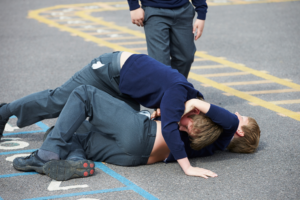
Sparring is where martial arts training comes alive. It is the moment technique meets application, where students test skill against a live, resisting partner. It is also, unsurprisingly, one of the most common sources of injury in any martial arts school. From bruised ribs to concussions, sparring produces the kind of incidents that can quickly escalate into a liability concern.
For school owners, understanding why sparring carries elevated legal risk and how coverage responds when an injury occurs is essential. Sparring is not going anywhere, so managing its risks intelligently is part of running a responsible school.
Why Sparring Generates More Serious Injuries
Controlled contact is the entire point of sparring, but control is never absolute. Two students moving at speed, generating force, and reacting instinctively will occasionally connect harder than intended.
The Nature of Live Contact
Unlike drilling or forms, sparring is unpredictable. A misjudged distance, a late reaction, or a moment of overzealousness can turn a routine exchange into a real injury. Strikes to the head, joint locks applied too quickly, and hard takedowns all carry the potential for significant harm.
Mismatches in Skill and Size
Injuries often occur when partners are poorly matched. A larger, more experienced student sparring a smaller or newer one can cause harm even without intent. Schools that allow uneven pairings without oversight increase both the likelihood of injury and the perception that supervision was inadequate.
When a Sparring Injury Becomes a Legal Matter
Students understand that sparring involves contact, but that understanding does not eliminate a school’s exposure. When an injury is severe, the situation can shift from an accepted risk to a dispute.
A concussion that leads to lasting symptoms, a joint injury requiring surgery, or a fracture that keeps a student out of work can all prompt questions about whether the school did enough to prevent harm. Allegations may focus on poor supervision, inadequate protective equipment requirements, mismatched pairings, or a failure to control an overly aggressive participant. Even when a school acted responsibly, defending against such an allegation carries real cost.
This is why the liability coverage within a martial arts school policy is so important. It is designed to respond when a student claims the school bears responsibility for an injury sustained during training, including the intense contact that sparring involves.
Why Waivers Alone Are Not Enough
Many owners believe a signed waiver fully protects them against sparring claims. Waivers are valuable, and they strengthen a school’s defense, but they are not an impenetrable shield.
A waiver discourages litigation and signals that the student accepted known risks, yet it does not prevent someone from filing a claim, particularly when negligence is alleged. If a family argues that a school allowed a dangerous mismatch or failed to enforce protective equipment, the waiver alone may not end the matter. The school still must respond, and without coverage, those defense costs land directly on the business.
Reducing Sparring Risk Through Smart Practices
Insurance responds after an incident, but a well-run sparring program prevents many injuries from happening in the first place and demonstrates diligence if a claim arises.
Enforcing Protective Equipment
Requiring appropriate gear, including headgear, mouthguards, gloves, and shin protection where relevant, reduces injury severity and shows the school prioritizes safety.
Thoughtful Pairing and Supervision
Matching students by size, skill, and temperament, and supervising sparring closely, prevents many of the mismatches that lead to serious harm. An instructor who steps in when contact escalates protects students and the school alike.
A Clear Concussion Protocol
Head injuries deserve special attention. A defined concussion management plan, one that removes a suspected student from activity and requires medical clearance before returning, is not only sound practice but often expected within the industry. Documenting this protocol strengthens both safety and the school’s position.
Why This Risk Deserves Regular Review
Because sparring is a routine part of training, its risks can fade into the background until an injury forces them into focus. Owners who periodically review how their coverage responds to contact injuries are far better prepared than those who assume everything is handled.
Understanding the details of your school and studio protection ensures you know exactly how a serious sparring claim would be managed. That knowledge lets you run a vigorous, authentic training program without carrying the risk alone.
Train Hard While Staying Protected
Sparring will always be central to meaningful martial arts instruction, and the contact it involves will always carry a degree of risk. The goal is not to soften training but to manage its consequences wisely. By enforcing protective equipment, supervising closely, maintaining a concussion protocol, and confirming that your coverage responds to injury claims, you protect both your students and your school.
If you are uncertain how your current policy would handle a significant sparring injury, now is the time to find out. A clear understanding today allows you to keep training hard while resting easy, knowing your school is protected against the risks that come with the art.