The Ultimate Guide to Brazilian Jiu Jitsu Gym Insurance Every BJJ Owner Needs
Brazilian Jiu-Jitsu training involves constant physical contact, joint locks, chokes, and high-intensity rolling sessions. Every class carries the potential for serious injury, and every injury carries the potential for a lawsuit. If you own or operate a BJJ gym, securing the right insurance policy ranks among the most critical decisions you will make. This guide walks you through everything you need to protect your academy, your instructors, and your financial future.
Why BJJ Gyms Face Elevated Liability Risks Compared to Other Martial Arts
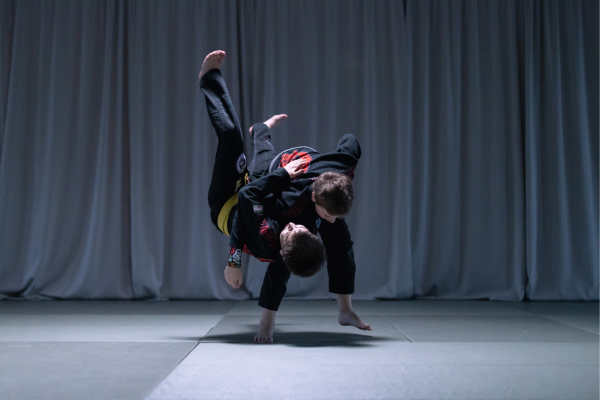
The grappling nature of Brazilian Jiu-Jitsu creates a higher frequency of injuries than striking-only disciplines. Knee ligament tears, shoulder dislocations, neck strains, and broken fingers occur regularly, even in controlled training environments. Each injury represents a potential liability claim that your gym must prepare to handle.
Common BJJ Training Injuries That Trigger Lawsuits
ACL and MCL tears from guard passes, rotator cuff injuries from kimura and americana submissions, and cervical spine injuries from takedowns top the list of BJJ injuries that result in legal action. Students who require surgery often pursue claims that exceed $50,000 in medical costs alone.
The Unique Risk of Rolling With New White Belts
New students lack the body awareness and tap discipline that experienced practitioners develop over time. Pairing inexperienced students during live rolling creates unpredictable situations where injuries spike. Your insurance policy must account for this elevated exposure.
Essential Insurance Coverage Types for BJJ Academies
A comprehensive BJJ gym insurance policy combines several layers of protection that work together to shield your business from financial catastrophe.
General Liability Insurance for Your BJJ Academy
General liability covers claims of bodily injury and property damage that occur on your premises or during your supervised activities. When a student claims your gym caused their injury through negligence, this coverage pays for legal defense and qualifying settlements.
Participant Accident Insurance for Grapplers
Participant accident coverage pays medical expenses for students injured during training sessions, regardless of fault. This coverage often satisfies injured students quickly and prevents minor incidents from escalating into full lawsuits.
Equipment and Property Coverage for Your Mats and Gear
BJJ gyms invest thousands of dollars in competition-grade mats, training dummies, cleaning equipment, and facility modifications. Equipment coverage protects these assets against theft, fire, flood, and other covered perils that could disrupt your operations.
How Much BJJ Gym Insurance Costs and What Affects Your Rate
Annual premiums for BJJ academy insurance typically start around $490 for basic coverage. The total cost varies based on enrollment size, facility square footage, instructor count, coverage limits, and your claims history.
Factors That Increase Your BJJ Insurance Premium
Schools with large open mat sessions, competition teams that travel to tournaments, and facilities that host seminars with guest instructors face higher premiums. Adding coverage for off-site competitions and demonstrations also increases your annual cost.
How to Qualify for the Lowest Available Rates
Maintaining a documented risk management plan, requiring all students to sign comprehensive waivers, implementing a concussion management protocol, and keeping a clean claims record position your gym for the most competitive premiums available.
Independent Contractor Instructors and the Coverage Gap You Must Close
Many BJJ academies hire black belt instructors as independent contractors. Most general martial arts school policies do not automatically cover 1099 contractors. This creates a dangerous coverage gap that leaves your gym exposed if an injury occurs during a class taught by a contractor.
Require Contractors to Carry Their Own Instructor Insurance
The safest approach requires every independent contractor instructor to purchase their own martial arts instructor liability policy and name your academy as an Additional Insured. This ensures both the instructor and your gym receive protection under a verified policy.
Add Contractor Coverage to Your School Policy
Some insurance programs allow you to add independent contractor coverage for a modest additional premium per instructor. This option simplifies administration and guarantees coverage without relying on each contractor to maintain their own policy.