What Underwriters Look For Before They’ll Insure a Martial Arts School
You apply for coverage, wait a few days, and a quote lands in your inbox, or a decline does, and the number feels like it came from nowhere. Behind that figure sits an underwriter who studied specific things about your school and priced them. Once you know what they look for, both the martial arts insurance cost and the exclusions on the page start to make sense. Here is how underwriters assess a dojo before they agree to insure it, and what each factor means for the coverage you get.
Why Underwriting Matters Before You Get Covered
An underwriter is the person who decides whether an insurance company will take on your school, and every term in your policy flows from that one review.
Underwriting is also why martial arts coverage rarely comes as an off-the-shelf product. A carrier that writes offices or retail shops has no data on grappling injuries or sparring claims, so a general underwriter often declines the risk or prices it high out of caution. Specialist programs exist precisely because someone who understands the discipline can judge the risk accurately rather than guess.
How an Underwriter Decides Your Martial Arts Insurance Cost
An underwriter prices risk by weighing two questions: how likely a claim is, and how costly it could be if it happens. A school with heavy contact and crowded mats points to more frequent, more severe injuries than a quiet after-school karate program. That is why two martial arts studios of the same size can receive very different quotes. The disciplines you teach and the way you run your classes move the premium far more than square footage does, which is also what drives the price of school liability coverage.
The Disciplines and Classes You Teach
What you teach is the single largest driver of your risk, so underwriters start there.
They rarely stop at the style name, either. Two schools can both call themselves karate dojos while one runs light, no-contact forms for children and the other holds full-speed sparring for adults. An underwriter asks how each class actually runs, because the contact level on the mat, not the label above the door, is what produces claims.
Why the Types of Martial Arts You Teach Change the Risk
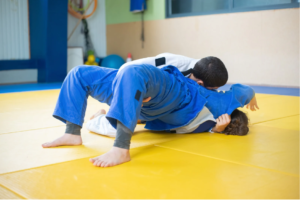
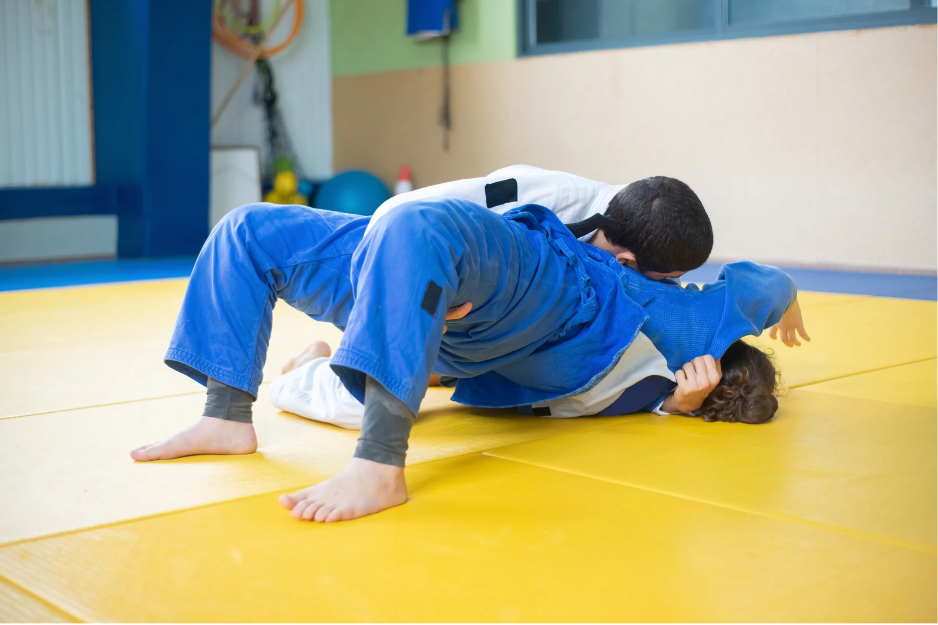
A cardio kickboxing class reads very differently from full-contact MMA, Brazilian jiu-jitsu, or Krav Maga. Contact level, throws, grappling, and weapons training all raise both the frequency and severity of injury, so the types of martial arts on your schedule shape your quote more than almost anything else. An underwriter will ask whether you teach striking, ground work, or both, because each carries its own injury profile and its own liability.
Youth Programs, Sparring, and Higher Risk Activities
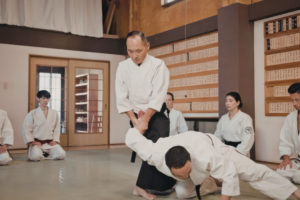
Certain activities draw extra scrutiny. Youth programs bring minors and supervision exposure, and competitive sparring produces more injury claims. None of this makes a school uninsurable, but it shapes coverage terms and any exclusion an underwriter applies. A dojo that runs heavy sparring without clear protective gear rules looks riskier than one with structured, supervised drills.
Your Safety, Waivers, and Claims History
Underwriters read your paperwork and your record as evidence of how carefully you run the school.
This is the part of the file you have the most power to shape. You cannot change that grappling carries injury risk, but you can show signed waivers, trained instructors, and a clean claims record, and those details often make the difference between a standard quote and a loaded one. Underwriters reward schools that prove they manage risk rather than simply hope to avoid it.
Waivers, Screening, and the Paperwork Underwriters Expect
Underwriters want to see signed liability waivers for every participant, current instructor certifications, and background screening for staff who work with children. Strong documentation tells an insurer you take risk seriously, and that often supports better terms. A vague or unsigned waiver does little to reassure the person reviewing your file, so it pays to know what makes a martial arts waiver hold up.
What Your Claims History Tells an Insurer
Past claims and lawsuits predict future ones, so your claims history carries real weight. A clean record works in your favor, while a pattern of injury or property damage claims pushes the premium up or narrows what the policy covers. A new dojo with no history gets judged instead on its safety protocols, its waivers, and the experience of its instructors.
Your Facility, Property, and Operations
Underwriters look at the physical school and how it runs, not only the classes on the schedule.
A well-kept space does double duty here. Clean mats, good lighting, and clear walkways lower the odds of a slip-and-fall claim, and they also signal to an underwriter that the owner runs a disciplined operation. The same eye that notices frayed mats notices crowded classes and thin supervision, so the physical condition of the dojo often stands in for how carefully the whole business is managed.
What Property Insurance Underwriters Check at a Martial Arts Studio
On the property side, an underwriter examines the condition of your mats and flooring, the safety of the building, and the value of the equipment you want covered. Worn mats and poor lighting invite slip and fall claims, while a well-maintained space signals control. The condition and value of your gear also shape your property insurance terms and your deductible, one reason equipment coverage sits on the underwriter’s checklist.
Class Size, Instructors, and How You Run the School
Operations round out the picture. Student-to-instructor ratios, instructor experience, operating hours, enrollment, and whether you host events, demos, or seminars all tell an underwriter how controlled your risk is. A packed mat with one instructor reads very differently from small, well-staffed classes, and larger schools with higher enrollment naturally carry more exposure.
Turning the Underwriter’s View Into the Right Coverage
Reading a quote with the underwriter’s logic in mind shows you what the policy protects and what it leaves open.
It also changes the conversation you have with your broker. Instead of chasing the lowest premium, you can ask why a given exclusion is there and what it would take to remove or offset it. The owners who get the best coverage are usually the ones who understand the reasoning behind the terms and address it head-on.
Reading the Exclusions, Deductible, and Type of Insurance You’re Offered
The premium is only part of the story. The exclusions, the deductible, and the type of insurance each policy includes- general liability, professional liability, property coverage, and abuse and molestation coverage- tell you what is genuinely protected. When you see why an underwriter added a particular exclusion, you can decide whether you need additional coverage to close that gap rather than discover it after a claim.
Why the Right Insurance Is Essential for Martial Arts Schools
Martial arts schools face exposures that a generic business policy was never built to handle, from sparring injuries to abuse claims to damaged mats. Presenting your school clearly- the disciplines you teach, your safety practices, and your records- is what earns you the right coverage at a fair price. The more an underwriter understands about how carefully you operate, the better the protection you walk away with.